

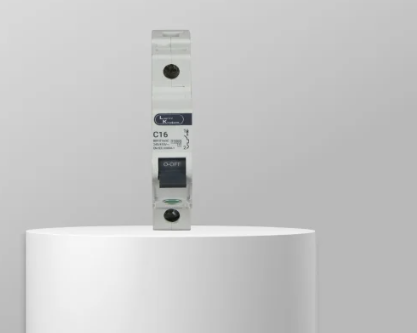
Electrical systems need reliable protection to handle overloads, short circuits, and unexpected current conditions. Two commonly used circuit protection devices are mcb and mccb, each designed for different applications and load requirements. While both help protect electrical circuits, their capacity, construction, and typical uses can vary significantly. Understanding where each device fits can make electrical planning more effective. From homes and offices to industrial facilities and infrastructure, selecting the appropriate protection device helps support safer and more organized electrical installations while matching the needs of different equipment and circuits.
Circuit protection devices are used to disconnect electrical supply when abnormal current conditions occur. This helps reduce the possibility of damage to wiring, equipment, and connected systems.
Although the basic purpose is similar, protection devices are selected according to factors such as:
The right choice depends on the specific electrical installation rather than simply choosing the device with the highest capacity.
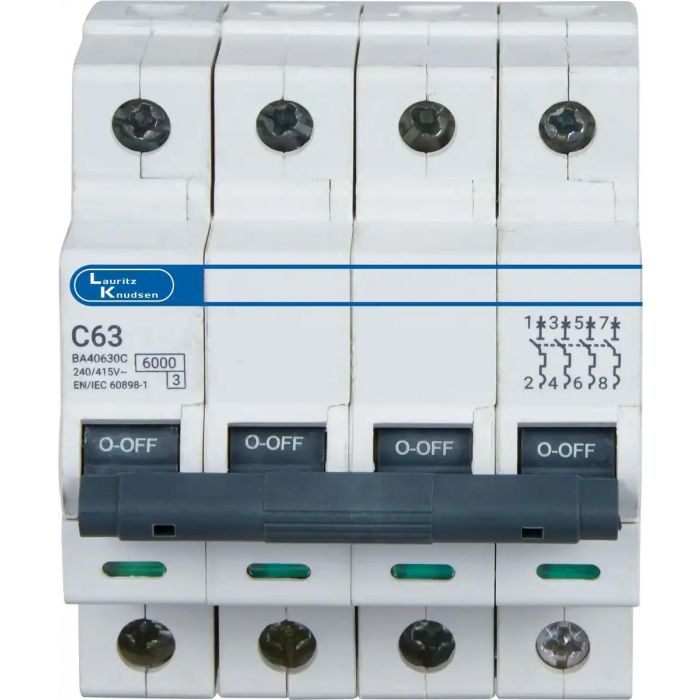
An mcb is generally suitable for lower-current electrical circuits and is widely used in residential and light commercial installations. Its compact size makes it practical where space inside an electrical distribution board is limited.
One of the most common uses of an mcb is in homes. Different circuits can have individual protection, allowing lighting, sockets, air-conditioning systems, and other loads to be separated.
For example, if a particular circuit experiences an overload, its protective device can trip without necessarily disconnecting every circuit throughout the home.
This arrangement can provide:
Offices, retail spaces, small workshops, and similar environments can also use an mcb for suitable circuits. These installations may have several lighting and power circuits that require individual protection.
Using separate protection for different circuits can make troubleshooting simpler. If a fault occurs in one area, the affected circuit can be identified more easily.
Lighting circuits generally have comparatively lower power requirements. Suitable circuit protection can help protect wiring from excessive current caused by faults or overload conditions.
This makes compact protection devices useful for:
However, the correct rating should always be determined according to the circuit design and electrical load.
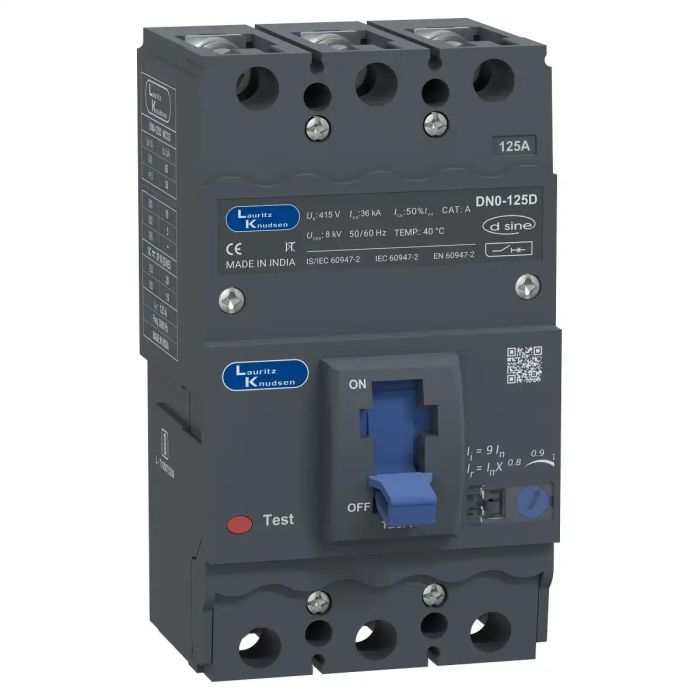
An mccb is generally selected for higher-current applications where greater capacity and more advanced protection features may be required. It is commonly associated with commercial, industrial, and infrastructure installations.
Factories and industrial facilities often operate heavy electrical equipment with higher current requirements. An mccb can be used for suitable high-capacity circuits supplying machinery and other electrical loads.
These installations may require protection that can handle higher fault levels than typical residential circuits.
Applications may include:
Large offices, shopping facilities, hospitals, warehouses, and other commercial buildings can have substantial electrical demand. An mccb may be used in distribution systems where higher current capacity is needed.
It can support the distribution of electricity to different sections of a facility while providing circuit protection appropriate to the installation.
In larger electrical systems, the main distribution arrangement needs to handle significant amounts of current. An mccb can be suitable for certain incoming or outgoing circuits depending on the system design.
Its higher capacity makes it useful in applications where standard compact circuit protection may not be sufficient.
While an mccb is generally associated with larger electrical loads, choosing between protection devices should involve more than simply comparing current ratings.
Consider these factors:
The protection device should be coordinated with the cable, connected equipment, and overall electrical system.
The practical difference becomes easier to understand when looking at typical applications.
|
Application |
Suitable Protection Approach |
|
Home lighting circuits |
Lower-capacity circuit protection |
|
Household socket circuits |
Circuit-specific protection |
|
Small office circuits |
Individual circuit protection |
|
Large commercial distribution |
Higher-capacity protection |
|
Industrial machinery |
Higher-current circuit protection |
|
Large electrical distribution |
High-capacity protection |
This comparison is only a general guide. Actual selection depends on the electrical design, load, fault current, and applicable safety requirements.
Using an incorrectly rated protection device can create problems. A device that is not suitable for the expected load may trip unnecessarily, while inadequate protection may fail to provide the intended level of safety.
Electrical designers and qualified professionals generally consider:
For industrial and commercial systems, protection coordination becomes particularly important because several circuits and distribution levels may operate together.
The uses of mcb and mccb depend largely on the size, type, and requirements of an electrical installation. Compact circuit protection is commonly suited to residential and smaller circuits, while higher-capacity protection can be appropriate for industrial, commercial, and larger distribution applications. Understanding these different use cases helps in planning safer and more organized electrical systems.Lauritz Knudsen Smartshop supports diverse electrical and automation requirements with solutions covering homes, buildings, infrastructure, agriculture, and industry, helping address different electrical protection and distribution needs.
Submit guest articles that reach decision-makers, influencers, and professionals. Yarabook offers a trusted platform for quality content, strong backlinks, and SEO-driven visibility. Pay. Publish. Promote.