

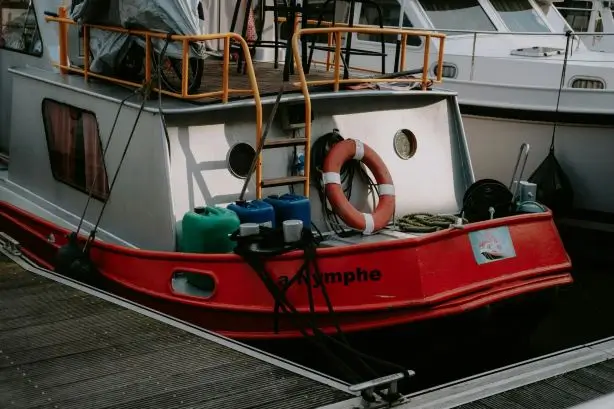
Preparing for a sailing trip requires more than just a vessel and a destination. Safety, efficiency, and comfort all depend on having the right gear onboard. Whether you are planning a short coastal journey or a long offshore adventure, equipping your boat properly can make all the difference. This guide covers 15 essential sailing gear items that every sailor should have to ensure a safe and enjoyable trip.
Having the right equipment is not just about convenience. It plays a critical role in preventing accidents, handling emergencies, and navigating effectively. Careful planning and selecting high-quality Boat Supplies can significantly improve your confidence and preparedness on the water.
Safety should always be the top priority when sailing. These items are non-negotiable for any trip.
Every person onboard should have access to a properly fitted life jacket. Modern designs are comfortable and allow for ease of movement while still providing essential flotation.
A personal locator beacon can send your location to rescue services in case of an emergency. This device is especially important for offshore sailing where help may not be immediately available.
Visual distress signals such as flares and smoke signals are crucial for attracting attention during emergencies. Make sure they are up to date and stored in an easily accessible location.
A well-stocked first aid kit is essential for treating injuries at sea. Include bandages, antiseptics, medications, and any personal medical supplies needed by the crew.
Accurate navigation and reliable communication systems are vital for a safe voyage.
A GPS chartplotter provides real-time location data and helps plan routes. It simplifies navigation and enhances safety, especially in unfamiliar waters.
A VHF radio allows you to communicate with other vessels, marinas, and emergency services. It is a key piece of equipment for staying connected on the water.
Even with advanced technology, a traditional compass remains an essential backup tool. It ensures you can navigate if electronic systems fail.
Carrying paper charts provides an additional layer of security. They are reliable and do not depend on power or connectivity.
Proper handling gear ensures smooth sailing and better control of your vessel.
Sailing gloves protect your hands from rope burns and improve grip when handling lines. They are especially useful during docking and sail adjustments.
A versatile tool or marine knife is invaluable for quick fixes and emergencies. It can be used for cutting lines, making repairs, or handling unexpected situations.
A winch handle is necessary for adjusting sails and managing lines. Having a sturdy and reliable handle makes these tasks easier and safer.
Comfort plays a significant role in maintaining focus and energy during a sailing trip.
Weather conditions at sea can change quickly. Waterproof jackets and pants keep you dry and protected from wind and spray.
Proper footwear reduces the risk of slipping on wet surfaces. Shoes designed for sailing provide grip and stability on deck.
Exposure to the sun can be intense on the water. Hats, sunglasses, and sunscreen help protect against harmful UV rays and prevent fatigue.
Being prepared for the unexpected is a key aspect of safe sailing.
A bilge pump is essential for removing water from the boat. Whether manual or automatic, it helps maintain stability and prevents flooding.
Beyond the core gear, there are a few additional factors that can enhance safety and preparedness.
Before setting sail, inspect all gear to ensure it is in good working condition. Replace any damaged or outdated items.
Store equipment in designated areas where it can be easily accessed when needed. In emergencies, quick access can make a critical difference.
Having the right gear is only part of the equation. Knowing how to use each item is equally important. Take the time to practice and understand your equipment before heading out.
Equipping your boat with the right sailing gear not only enhances safety but also builds confidence. When you know you are prepared for various scenarios, you can focus more on enjoying the journey.
Different trips require different equipment. Coastal sailing may need fewer items than offshore voyages. Tailor your gear list based on your destination, duration, and experience level.
High-quality gear may require a larger upfront investment, but it offers better reliability and durability. In the long run, this can save money and reduce the risk of equipment failure.
Sailing is about adventure and exploration, but safety should never be compromised. The right gear allows you to embrace the experience while minimizing risks.
Conditions at sea can change without warning. Staying prepared ensures that you can respond effectively to any situation.
When safety concerns are addressed, sailors can fully enjoy the beauty and freedom of the open water. Proper preparation transforms potential challenges into manageable experiences.
By equipping your vessel with these essential items and maintaining a proactive approach to safety, you create a strong foundation for a successful and enjoyable sailing trip.
Submit guest articles that reach decision-makers, influencers, and professionals. Yarabook offers a trusted platform for quality content, strong backlinks, and SEO-driven visibility. Pay. Publish. Promote.