
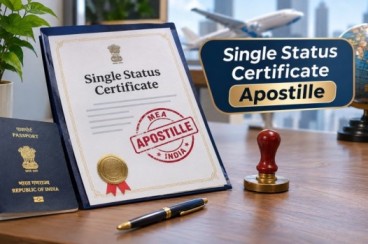
Picture two applicants with the same Indian Single Status Certificate. One is marrying in a European country. The other is heading to a Gulf destination. Both need their certificate verified, yet their paths look very different. The first may finish with a single stamp. The second may need an embassy to sign off as well.
That gap is the reason this topic deserves a closer look. Below you will find a plain explanation of both routes, a way to decide between them, and a list of habits that keep the process smooth.
Start With the Purpose of the Document
A Single Status Certificate declares that you are not currently married and are free to marry. Foreign authorities ask for it in situations like these:
- registering a wedding in another country
- applying for a fiancé, spouse or partner visa
- completing family or residence formalities
- meeting the requirements of a religious or civil marriage office abroad
The foreign officer reading it has no way of confirming an Indian official’s handwriting or seal. A verification stamp bridges that gap. It tells the officer that the paper came from a real authority in India and can be trusted.
Route One: The Apostille
India belongs to the Hague Apostille Convention. Members of this convention agree to accept one standard certificate, called an Apostille, in place of a longer verification chain. In India, the Ministry of External Affairs issues it.
A typical Single Status Certificate apostille follows this order:
- The certificate is prepared through the authority your state recognises for this document.
- A state department checks the signature and seal.
- The Ministry of External Affairs adds the Apostille.
After that, the document is ready. There is no embassy queue and no second round of attestations, provided the destination country accepts it.
Route Two: Embassy Attestation
This route is used when the destination is not part of the convention, or when its office explicitly asks for consular legalisation. The state and ministry verification still happens first. Then the embassy or consulate of the destination country in India reviews the document and adds its own attestation.
Because another office joins the chain, it usually takes longer and may involve its own forms, fees, and timelines. Some embassies also expect a recently issued certificate or additional supporting papers.
Who Decides Which Route You Take?
The destination does. Your state of residence, your job, or the style of your certificate does not change the answer.
Think of it as three simple outcomes:
- The country is a convention member and accepts the Apostille for your purpose, so the Apostille is enough.
- The country is outside the convention, so embassy attestation is needed.
- The instructions only say “legalised”, so you should ask the receiving office what exactly it means.
Also keep in mind that convention membership has grown in recent years. If you rely on an old article or a friend’s experience from a few years back, you may follow a route that no longer applies.
How to Confirm Before You Spend Money
Spend a little time on these steps first:
- Read the checklist closely. Note the exact words used for the verification.
- Look at the purpose. The same country may treat a marriage registration and a visa application differently.
- Ask for the certificate age limit. Some offices only accept a certificate issued within a short period.
- Check every detail. Name, date of birth, and parents’ names should match your passport.
- Send a short written query. An email to the receiving office, asking whether an Indian Apostille is acceptable, is often the fastest way to settle doubt.
Common Errors and How to Avoid Them
Most delays come from mistakes that could have been caught early:
- finishing the Apostille when the country wanted embassy attestation
- stamping an outdated certificate that needed to be reissued
- name or initial differences across documents
- sending a copy instead of the original
- applying only days before a wedding or visa appointment
- copying advice meant for a different document type
A careful review before submission prevents nearly all of these.
Why Local Support Makes a Difference
The first stage depends on practices that vary from one state to another, and each department has its own working style. This is why many applicants in Karnataka look for Apostille Services in Bangalore. An experienced team can check the certificate in advance, confirm what your destination expects, and handle each step in the correct order, so one small oversight does not cost you weeks.
A Simple Way to Remember It
Ask yourself one question first: what does my destination country accept? If it accepts the Apostille for your purpose, take that quicker route. If it does not, build embassy attestation into your plan and give yourself extra time. If you are still unsure, write to the receiving office and wait for their answer before you begin.

Leave a Reply
You must be logged in to post a comment.