

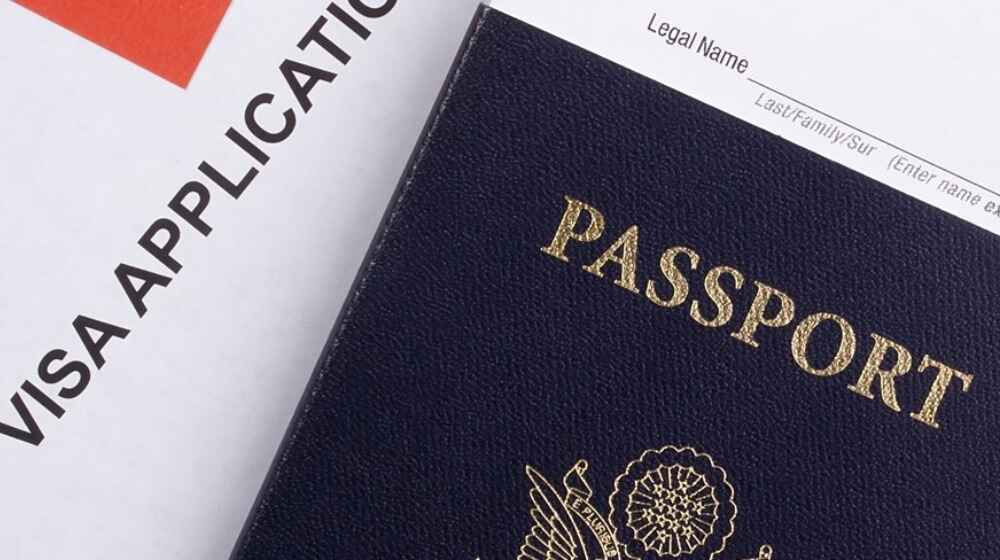
Travelling to the United Kingdom can be an exciting opportunity to explore historic landmarks, experience British culture, visit family, or attend business meetings. However, before booking flights and accommodation, travellers should understand the entry requirements that apply to their nationality and travel purpose.
Cuban and Cypriot citizens follow different UK entry procedures. Cuban passport holders generally need to obtain a visitor visa before travelling, while Cypriot citizens can generally apply for an Electronic Travel Authorisation (ETA) for eligible short visits. Understanding these differences helps travellers prepare the appropriate documents and avoid unnecessary complications.
The UK has several immigration routes for international visitors. The correct route depends on nationality, travel purpose, intended length of stay, and individual circumstances.
The Standard Visitor route generally allows eligible travellers to stay in the UK for up to six months for permitted activities, including tourism, visiting relatives and friends, and certain business activities. Travellers must still meet the relevant requirements and comply with the conditions of their permission.
An ETA is a digital travel authorisation for eligible travellers who do not normally need a visitor visa for a short stay. It is not the same as a traditional visa and does not guarantee admission at the UK border.
Cuban citizens generally need to apply for a UK Standard Visitor visa before travelling for tourism, visiting family, or other permitted short-term activities. Unlike travellers from ETA-eligible countries, Cuban passport holders should prepare for the visitor visa application process and allow sufficient time for a decision.
For an overview of the relevant application process, travellers can review the UK Visa For Cuban Citizens information and check the requirements that apply to their circumstances.
A successful application depends on meeting the applicable immigration requirements and providing accurate information. Applicants should explain the purpose of their visit, how they intend to pay for it, and why their plans are consistent with a temporary stay.
Depending on the applicant’s situation, useful supporting documents may include:
A valid passport and completed application information.
Details of the planned visit, including dates and intended activities.
Evidence of available funds to cover travel and living expenses.
Employment, business, or educational documents where relevant.
Accommodation details or information about relatives and friends being visited.
Evidence of financial support if another person will pay for the trip.
The appropriate evidence varies from person to person. Applicants should follow the current application instructions rather than assume that every document on a general checklist is mandatory.
A clear explanation of the intended trip can help the decision-maker understand the application. For example, someone planning a holiday might describe the cities they intend to visit, their accommodation arrangements, and the expected length of their stay.
Applicants visiting relatives may need to explain their relationship with the host and whether the host will provide accommodation or financial support. Any supporting information should be accurate and consistent with the application form.
Financial evidence should also make sense in the context of the proposed journey. Applicants should be able to explain how they will cover their expenses without relying on unsupported claims or unexplained transactions.
Cypriot citizens are generally eligible to apply for a UK ETA for qualifying short visits. Although Cyprus is a member of the European Union, EU citizenship does not mean that travellers can enter the UK without meeting its immigration requirements.
The UK Visa For Cypriot Citizens resource provides an overview of the relevant travel process and can help visitors identify the requirements they should review before departure.
Cypriot passport holders travelling for tourism, eligible family visits, or certain permitted business activities will generally need an approved ETA before travelling, unless they qualify for an exemption or already hold relevant UK immigration permission.
Each traveller should check their own circumstances. Families travelling together should not assume that one person’s authorisation covers everyone else. Children and babies generally need their own ETA when the requirement applies.
ETA applicants should make sure their passport and personal information are accurate before submitting an application. The authorisation is linked to the passport used during the application process, so travellers should use that same passport for their journey.
Applicants typically need to provide passport details, contact information, a suitable photograph, and answers to the required suitability questions. They should also pay the applicable fee through an appropriate application channel.
Applying early is sensible because some applications may require additional checks. Travellers should not assume that an ETA will always be approved immediately or that submitting an application automatically grants permission to travel.
The permitted activities depend on the immigration route and the conditions attached to the traveller’s permission. For eligible visitors, a short stay can include a range of activities.
Visitors can explore destinations such as London, Edinburgh, Manchester, Oxford, and Bath. Popular attractions include museums, historic buildings, cultural events, shopping districts, and scenic countryside.
Travellers visiting friends or family should organise their accommodation and itinerary before departure. Keeping relevant contact details and travel arrangements accessible can make the journey easier to manage.
Certain business activities, such as attending meetings or conferences, may be permitted under visitor rules. However, visitors must not assume that every business-related activity is allowed.
Taking employment, working in the UK outside permitted activities, or undertaking a course that requires a different immigration route may require separate permission. Travellers should confirm the rules before finalising their plans.
Small errors can lead to complications during the application process or at the border. Reviewing the details carefully can help travellers avoid preventable problems.
One common mistake is providing inconsistent information. Travel dates, financial details, accommodation arrangements, and the stated purpose of the visit should form a clear and credible account.
Another mistake is waiting until the last minute to apply. Visa applications and ETA decisions can take time, particularly when further checks are required. Travellers should check the current processing guidance and leave a reasonable margin before departure.
Applicants should also avoid submitting misleading information or documents that cannot be verified. Providing more paperwork does not automatically make an application stronger; relevant, genuine, and consistent evidence is more useful.
Finally, travellers should understand that an approved visa or ETA does not guarantee entry. UK border officials may ask about the visit, planned accommodation, available funds, and intended activities.
Once the appropriate visa or ETA requirements have been confirmed, travellers can organise the remaining details of their trip. Check flight schedules, airport transfers, accommodation arrangements, and transport between destinations.
It is also useful to keep digital copies of essential travel information. These may include booking confirmations, travel insurance details, accommodation addresses, and contact information for a host or business contact.
Before departure, confirm that the passport used for travel matches the passport associated with the relevant authorisation. If your passport changes after an ETA has been issued, check whether you need to apply again before travelling.
Before leaving for the United Kingdom, review these essential points:
Confirm whether your nationality requires a visitor visa or an ETA.
Check that your passport details are accurate and consistent.
Obtain the necessary permission before travelling.
Make sure your planned activities comply with visitor conditions.
Organise accommodation, travel dates, and financial arrangements.
Keep important booking details and contact information accessible.
Cuban and Cypriot citizens should follow the UK entry process that applies to their nationality and circumstances. Cuban passport holders generally need a Standard Visitor visa for a typical short visit, while Cypriot citizens generally need an ETA for eligible travel unless an exemption applies.
Preparing early, checking current requirements, and providing accurate information can make the process more manageable. With the appropriate permission and a well-organised itinerary, travellers can focus on enjoying their visit to the United Kingdom.
Submit guest articles that reach decision-makers, influencers, and professionals. Yarabook offers a trusted platform for quality content, strong backlinks, and SEO-driven visibility. Pay. Publish. Promote.